
Esports Betting Is No Longer a Niche Market
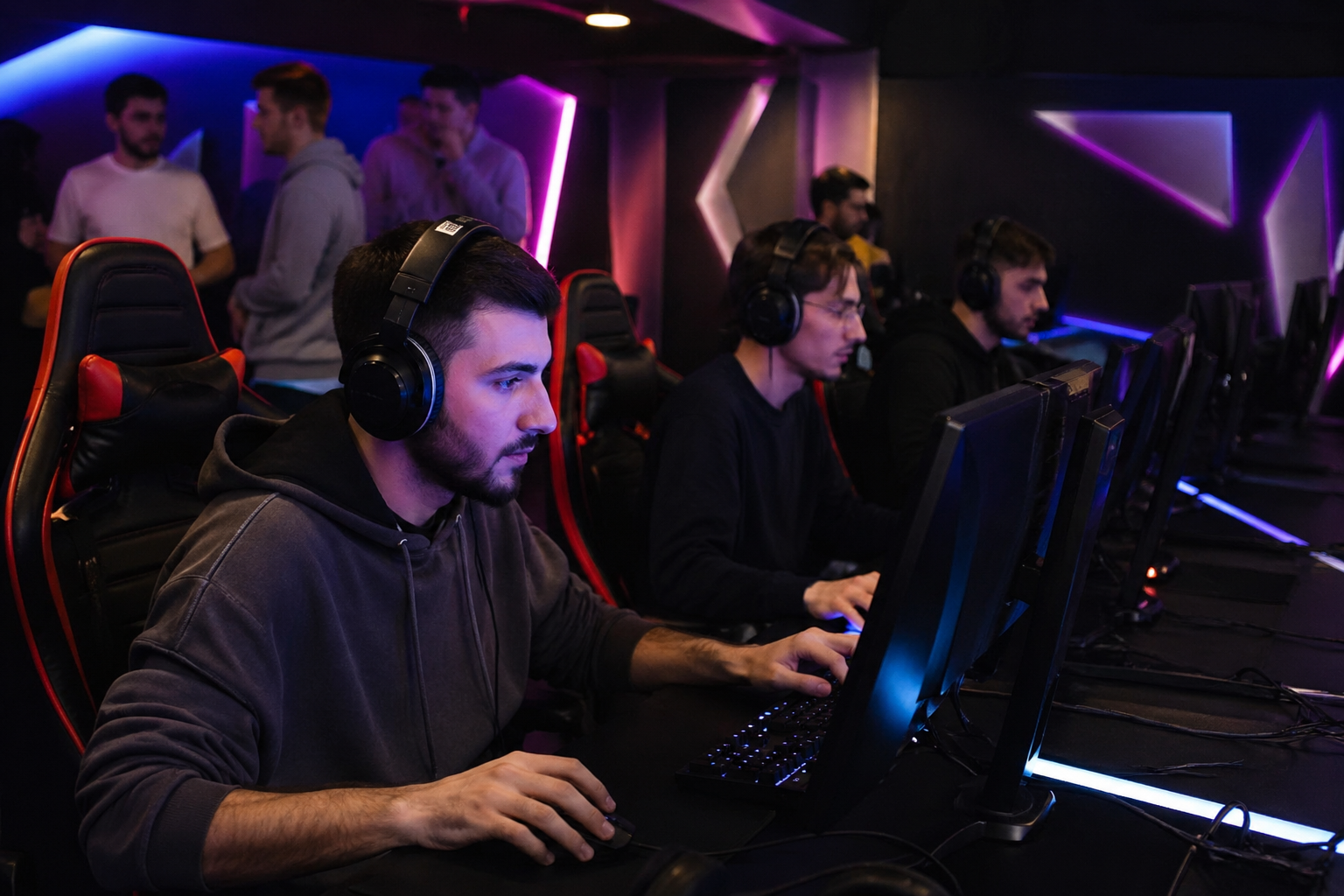
A few years ago, esports betting was treated like an extra tab on a sportsbook—something secondary, built for a small audience of gamers and late-night bettors. In 2026, that idea no longer makes sense. Esports has moved far beyond niche status and now stands as one of the fastest-growing betting verticals in the entire industry.
The reason is simple: the audience was never small—it was just underestimated. Competitive gaming built global communities long before traditional sportsbooks learned how to monetize them. Today, platforms like biz bet giriş see esports generating serious daily volume across tournaments, live markets, and player prop betting.
This is no longer about novelty. It is about scale, consistency, and a generation of bettors who grew up watching streams instead of traditional television sports.
The Schedule Never Really Stops
One of the strongest advantages esports has over traditional sports is constant availability. Football has weekends, basketball has seasonal breaks, and tennis follows tournament cycles. Esports rarely slows down.
Games like Counter-Strike 2, League of Legends, Dota 2, and Valorant create year-round betting activity across different regions and time zones. There is always another qualifier, playoff, or major event starting somewhere.
This is why mobile users opening the biz bet giriş often find esports markets active even when major football leagues are quiet. The volume never depends on one tournament. That consistency creates habit, and habit drives betting growth.
Live Betting Works Even Better in Esports
Esports and live betting were built for each other. The pace is fast, momentum changes constantly, and small decisions inside the game can completely flip the outcome.
Unlike slower sports where one event may define the match, esports creates continuous movement. One lost round, one draft mistake, or one clutch play can move odds instantly.
Popular live markets include:
- map winner
- round winner
- total kills
- first objective taken
- pistol round winner
- total maps played
- first team to reach specific score milestones
- player performance props
These markets feel natural because the audience already watches games in real time. Betting becomes part of the viewing experience, not a separate activity.
That level of engagement is difficult for traditional sports to replicate.
Data Creates Real Betting Value
Another reason esports betting keeps growing is that the market rewards knowledge quickly. Casual players may see chaos, but experienced bettors see structure.
Map pools, patch updates, roster changes, side selection, player form, and tactical trends all create strong edges for those who follow the scene closely. In some cases, pricing remains softer than in football because public attention is still smaller.
This creates opportunities.
A bettor who understands team chemistry in Counter-Strike or drafting priorities in League of Legends often has a stronger edge than someone blindly following favorite names.
That analytical advantage attracts serious players, not just casual fans.
It Is No Longer “Alternative” Betting
The old idea that esports is somehow separate from “real” betting is disappearing fast. Operators now treat it as a core vertical, not a side product.
Esports attracts:
- high-frequency live bettors
- crypto-friendly players
- international traffic across multiple time zones
- users who stay active outside traditional sports calendars
That makes it strategically valuable for every major sportsbook.
It is not replacing football, but it no longer needs to. It became strong enough to stand beside it.
The Future Was Already Here
Esports betting is growing because it fits how modern players already live—online, mobile, fast, and constantly connected.
There is no waiting for kickoff and no need for traditional sports culture to validate it. The audience already exists, the tournaments are global, and the betting behavior feels natural.
Calling esports a niche market in 2026 is like calling mobile betting a trend. The reality moved on.
Esports is not the future of betting anymore. It is already part of the present—and sportsbooks that understood that early are the ones winning now.
- Tips for completing the game Divinity Orginal Sin 2. Walkthrough #079
- Urine tests will be performed by medical students and Angelina Jolie will help Russian children
- Notes on various topics No. 21
- Frame construction of garages from sandwich panels
- Best Football Cities for Travel Every Fan Must Visit